


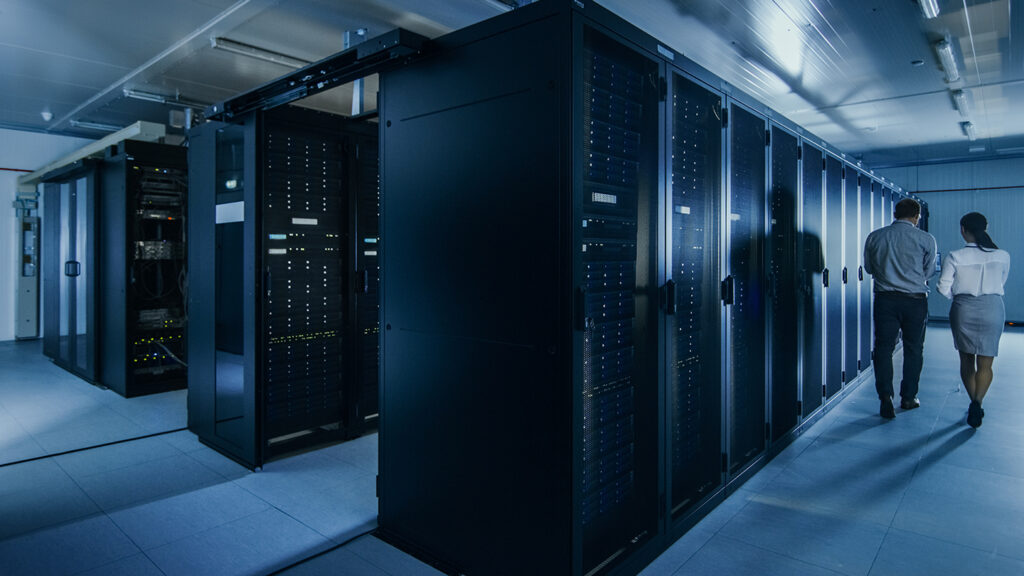
In Thailand’s dynamic business environment, a consistent power source is fundamental for success. Power interruptions, even brief ones, can halt operations, corrupt data, and damage sensitive electronic equipment. This is where an uninterruptible power source becomes an essential piece of infrastructure for any company.
Choosing the right system protects your investments and ensures business continuity. An effective ups power supply guards against the frequent power fluctuations and outages that can occur, especially during the rainy season. It provides a seamless transition to backup power, giving you time to save work and shut down systems properly.
Making an informed decision requires understanding your specific needs. The ideal unit for a small office will differ greatly from what a large data centre requires. Evaluating your equipment’s power consumption, the required runtime during an outage, and the type of protection needed are the first steps toward selecting the correct device.
Assess Your Power Requirements
Before you can choose a UPS, you must calculate the total power load of the equipment you intend to protect. List every device, from servers and computers to routers and monitors. Check the power rating (in watts or volt-amperes) on each piece of equipment. Summing these figures will give you the total load the UPS must support. It is a good practice to choose a UPS with a capacity at least 20-25% higher than your calculated total load to allow for future expansion.
Determine the Necessary Runtime
Consider how much time you need to keep your systems running after the power goes out. Is it just a few minutes to save files and perform a safe shutdown? Or do you need to maintain operations for a longer period? UPS systems offer a range of battery capacities, providing runtimes from a few minutes to over an hour. Longer runtimes require larger, more expensive batteries, so it’s important to balance your operational needs with your budget. For businesses in areas with less stable power grids, a longer runtime might be a worthwhile investment.
Understand Different UPS Topologies
There are three main types of UPS systems, each offering different levels of protection.
- Standby (or Offline) UPS: This is the most basic type. During normal operation, it passes utility power directly to your devices. When it detects a problem, it switches to battery power. This is a cost-effective choice for less sensitive equipment like individual PCs in an office.
- Line-Interactive UPS: This model actively regulates voltage. It corrects minor power fluctuations without switching to the battery, which extends battery life. It offers better protection than a standby unit and is suitable for small business servers and network equipment.
- Online (or Double-Conversion) UPS: This provides the highest level of protection. It constantly converts incoming AC power to DC and then back to AC, completely isolating equipment from power disturbances. This is the best option for mission-essential equipment, such as data centre servers and sensitive IT hardware that cannot tolerate any power interruption.