


Introduction
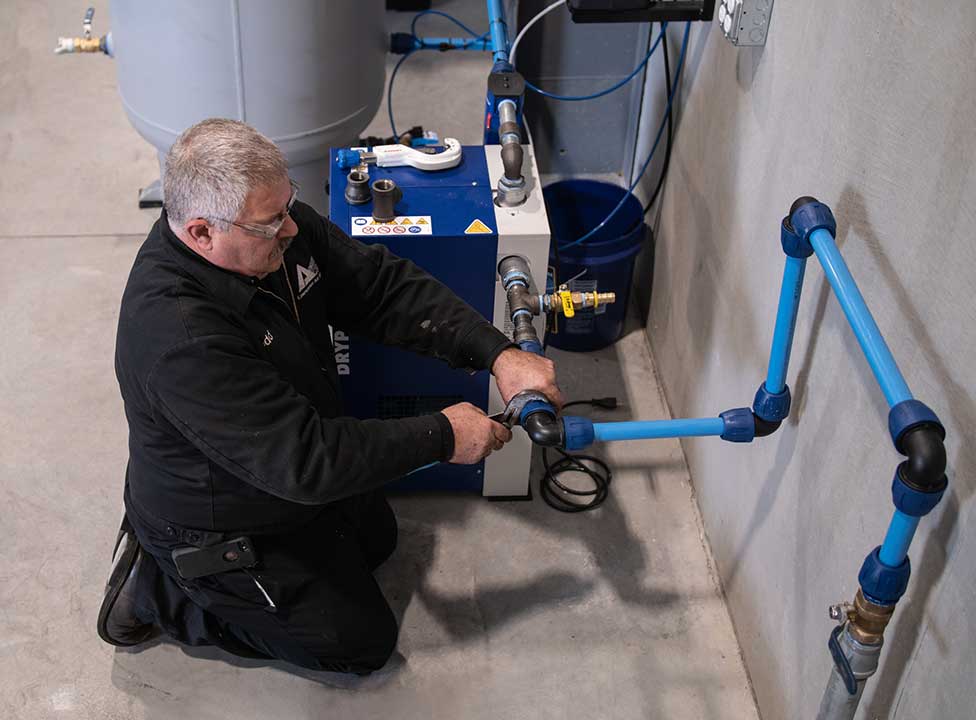
Compressed air is often referred to as the fourth utility in industrial operations because of its widespread use in manufacturing, automotive production, construction, pharmaceuticals, food processing, and engineering industries. Air compressors power pneumatic tools, automated machinery, packaging equipment, and countless production processes. However, achieving reliable performance requires more than simply purchasing high-quality equipment. Proper installation and ongoing service are equally important.
An incorrectly installed air compressor can lead to energy losses, safety concerns, excessive wear, and higher maintenance costs. Likewise, neglecting regular service can result in unexpected breakdowns, reduced efficiency, and costly repairs. By combining professional installation with a structured maintenance program, businesses can maximize equipment performance and achieve long-term operational reliability.
Many companies rely on Design Air Scotland for high-quality compressed air systems and expert engineering services. Their solutions are designed to improve operational efficiency while reducing energy consumption. Customers benefit from professional support, maintenance expertise, and reliable equipment tailored to specific business needs.
This guide explains the essential aspects of air compressor installation and service for industrial facilities.
Why Proper Air Compressor Installation Matters
Installation is the foundation of compressor performance. Even the most advanced air compressor may fail to deliver optimal results if it is installed incorrectly.
Benefits of Professional Installation
Proper installation helps ensure:
- Maximum energy efficiency
- Reliable airflow delivery
- Reduced maintenance requirements
- Improved equipment lifespan
- Enhanced workplace safety
A well-planned installation also supports future expansion and operational flexibility.
Common Installation Mistakes
Improper installation can lead to:
- Poor ventilation
- Pressure losses
- Excessive vibration
- Air leaks
- Electrical issues
Professional installation minimizes these risks and improves overall system reliability.
Selecting the Right Air Compressor
The installation process begins with choosing equipment that matches operational requirements.
Factors to Consider
Businesses should evaluate:
- Air demand
- Required pressure levels
- Operating hours
- Environmental conditions
- Future growth plans
Choosing the correct compressor size is essential for efficiency and performance.
Compressor Types
Common industrial compressor options include:
- Rotary screw air compressors
- Reciprocating air compressors
- Oil-free air compressors
- Variable Speed Drive (VSD) compressors
Each type is designed for specific applications and operating conditions.
Choosing the Installation Location
Location plays a critical role in compressor performance.
Ventilation Requirements
Air compressors generate heat during operation and require adequate airflow.
Proper ventilation helps:
- Prevent overheating
- Improve efficiency
- Protect internal components
- Extend equipment life
Restricted airflow can significantly reduce compressor performance.
Accessibility for Maintenance
The installation area should allow easy access for inspections, servicing, and repairs.
Adequate space around the equipment simplifies maintenance and reduces downtime.
Environmental Considerations
Compressors should be protected from:
- Excessive dust
- Moisture
- Corrosive substances
- Extreme temperatures
A clean operating environment improves reliability and reduces maintenance needs.
Designing an Efficient Compressed Air System
The compressor is only one part of the overall compressed air system.
Air Piping Layout
A properly designed piping network minimizes pressure losses and improves airflow distribution.
Important considerations include:
- Pipe diameter
- Routing efficiency
- Material selection
- Leak prevention
Efficient piping contributes to lower energy consumption.
Air Storage Capacity
Air receiver tanks help stabilize pressure and reduce compressor cycling.
Benefits include:
- Improved system efficiency
- Reduced wear
- Consistent air supply
Properly sized storage tanks enhance overall system performance.
Electrical Installation Requirements
Industrial air compressors require professional electrical connections.
Power Supply Considerations
The electrical system must support:
- Motor requirements
- Startup loads
- Control systems
- Safety devices
Incorrect electrical installation can lead to equipment damage and safety hazards.
Safety Compliance
Professional electricians ensure compliance with applicable electrical regulations and industry standards.
Safe electrical installation protects personnel and equipment.
Commissioning and Startup Procedures
After installation, the compressor should undergo a comprehensive commissioning process.
Initial Testing
Technicians verify:
- Pressure settings
- Airflow performance
- Electrical operation
- Safety system functionality
Testing confirms the system is ready for operation.
Performance Verification
Commissioning ensures the compressor meets design specifications and operational requirements.
Proper startup procedures reduce the risk of future performance issues.
Importance of Regular Air Compressor Service
Installation is only the beginning of the equipment lifecycle.
Ongoing service is essential for maintaining:
- Efficiency
- Reliability
- Safety
- Productivity
Regular maintenance helps prevent costly failures and extends equipment lifespan.
Key Components of Air Compressor Service
Professional service programs include a variety of maintenance activities.
Air Filter Replacement
Air filters prevent contaminants from entering the compressor.
Benefits of clean filters include:
- Improved airflow
- Better efficiency
- Reduced component wear
Regular replacement is essential for reliable operation.
Lubrication Management
For oil-lubricated compressors, proper lubrication is critical.
Maintenance tasks include:
- Oil changes
- Oil filter replacement
- Lubrication inspections
Effective lubrication reduces friction and component wear.
Cooling System Maintenance
Cooling systems help regulate operating temperatures.
Service activities may include:
- Cooler cleaning
- Fan inspections
- Airflow verification
Proper cooling prevents overheating and improves efficiency.
Air Leak Detection and Repair
Air leaks are a common source of energy waste.
Impact of Air Leaks
Leaks can cause:
- Increased electricity consumption
- Reduced pressure
- Lower system efficiency
Professional Leak Detection
Technicians use specialized equipment to locate and repair leaks throughout the compressed air system.
Leak management contributes to significant cost savings.
Monitoring System Performance
Regular performance monitoring helps identify developing issues before they become serious problems.
Key Performance Indicators
Important metrics include:
- Pressure stability
- Airflow output
- Energy consumption
- Operating temperature
Monitoring these indicators supports proactive maintenance planning.
Predictive Maintenance
Modern monitoring systems can identify trends and predict potential failures.
This approach reduces downtime and improves reliability.
Common Air Compressor Service Challenges
Industrial facilities often encounter maintenance-related challenges.
Contamination Issues
Dust, moisture, and oil contamination can affect system performance.
Component Wear
Normal operation gradually wears components such as:
- Bearings
- Belts
- Valves
- Seals
Temperature Problems
Poor cooling can lead to overheating and reduced equipment life.
Professional service programs address these challenges before they impact operations.
Benefits of Preventive Maintenance Programs
Preventive maintenance is one of the most effective ways to protect compressed air systems.
Operational Benefits
Regular service helps:
- Reduce downtime
- Improve efficiency
- Extend equipment life
- Lower repair costs
Financial Benefits
Preventive maintenance reduces unexpected expenses and improves return on investment.
The cost of routine service is typically much lower than the cost of major repairs.
Choosing a Professional Air Compressor Service Provider
A qualified service provider can help businesses maximize system performance.
Look for providers that offer:
- Certified technicians
- Preventive maintenance programs
- Emergency repair services
- Genuine spare parts
- System audits and optimization
A trusted service partner contributes to long-term operational success.
Future Trends in Air Compressor Service
Technological advancements are transforming compressor maintenance.
Emerging trends include:
- Remote monitoring
- Internet of Things (IoT) connectivity
- Predictive maintenance
- Artificial intelligence diagnostics
- Automated performance tracking
These innovations help businesses improve reliability and reduce maintenance costs.
Conclusion
Successful compressed air system management begins with proper installation and continues through regular professional service. From equipment selection and system design to preventive maintenance and performance monitoring, every stage plays an important role in achieving efficiency and reliability.
Industrial facilities that invest in professional air compressor installation and service benefit from reduced downtime, lower operating costs, improved energy efficiency, and longer equipment lifespan. By adopting a proactive approach to maintenance, businesses can ensure their compressed air systems continue to support productivity and operational success for years to come.